Available courses

Recommended month to take: January

This course provides essential training on fall prevention for residents in assisted living and residential care communities. Falls are a leading cause of injury and death among older adults, with more than one-third of adults age 65 and older experiencing a fall each year. Participants will gain a comprehensive understanding of fall risk factors, prevention strategies, and appropriate response procedures.

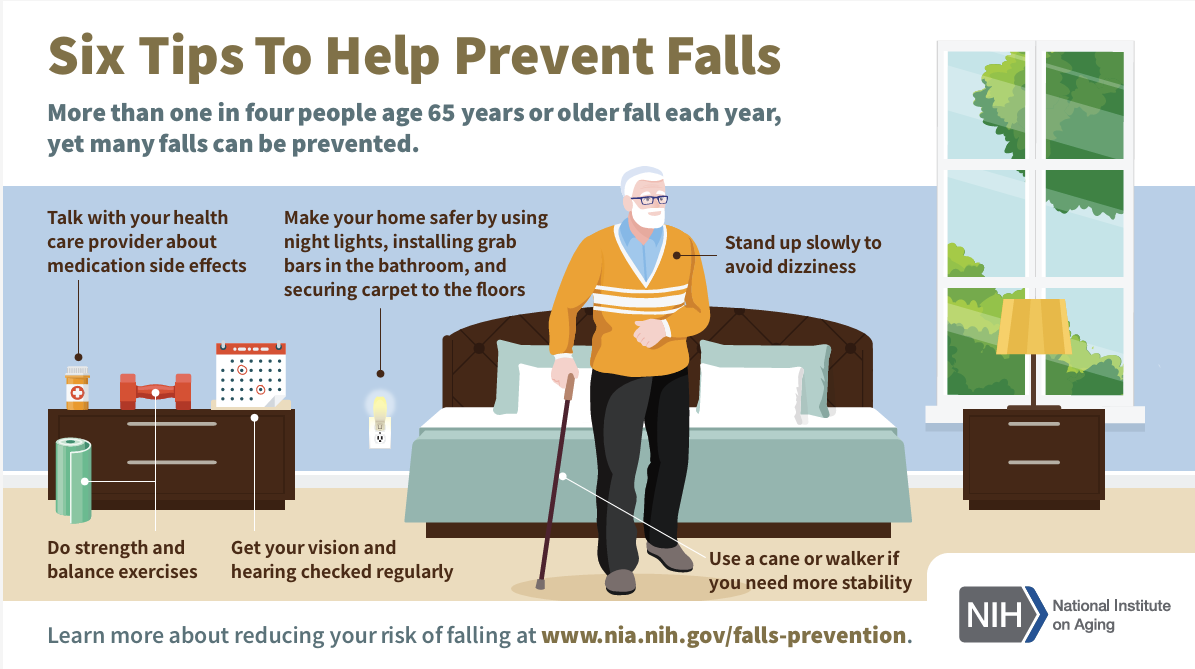
The course reviews resident-specific risk factors, including age-related changes, history of falls, cognitive impairment, medication effects (especially psychoactive and multiple medications), vision disorders (such as glaucoma, cataracts, macular degeneration, and diabetic retinopathy), musculoskeletal conditions (arthritis and osteoporosis), stroke-related weakness, chronic illness, and balance or gait disturbances . It also examines how diseases, medication side effects, and changes in physical condition can significantly increase fall risk.

In addition, the course addresses environmental risk factors, which account for up to half of all falls in elders . Topics include lighting, flooring, furniture height, bathroom safety, clutter, stairways, and improper use or maintenance of assistive devices.

Participants will learn practical fall risk reduction strategies, including:

  • Conducting fall risk assessments

  • Medication review and monitoring

  • Safe footwear selection

  • Exercise and therapy interventions

  • Environmental safety modifications

  • Proper use of canes, walkers, wheelchairs, and other assistive devices 

The course also outlines the correct procedures for responding to a fall, including not moving the resident, assessing for injury, seeking medical attention, notifying family, documenting the incident, and implementing follow-up prevention measures 

Upon completion, learners will be better equipped to identify risks, implement preventative strategies, and respond appropriately to falls to protect resident safety and maintain quality of care.